A Growing Need Meets a Shrinking Workforce
Senior living operators are feeling pressure from two major trends: an aging population with increasingly complex dietary needs and a tightening labor market. As the number of residents increases in senior living facilities, this group expects menu options that accommodate personal preferences and medical requirements. At the same time, the workforce is aging, which means fewer available staff to support food service operations.
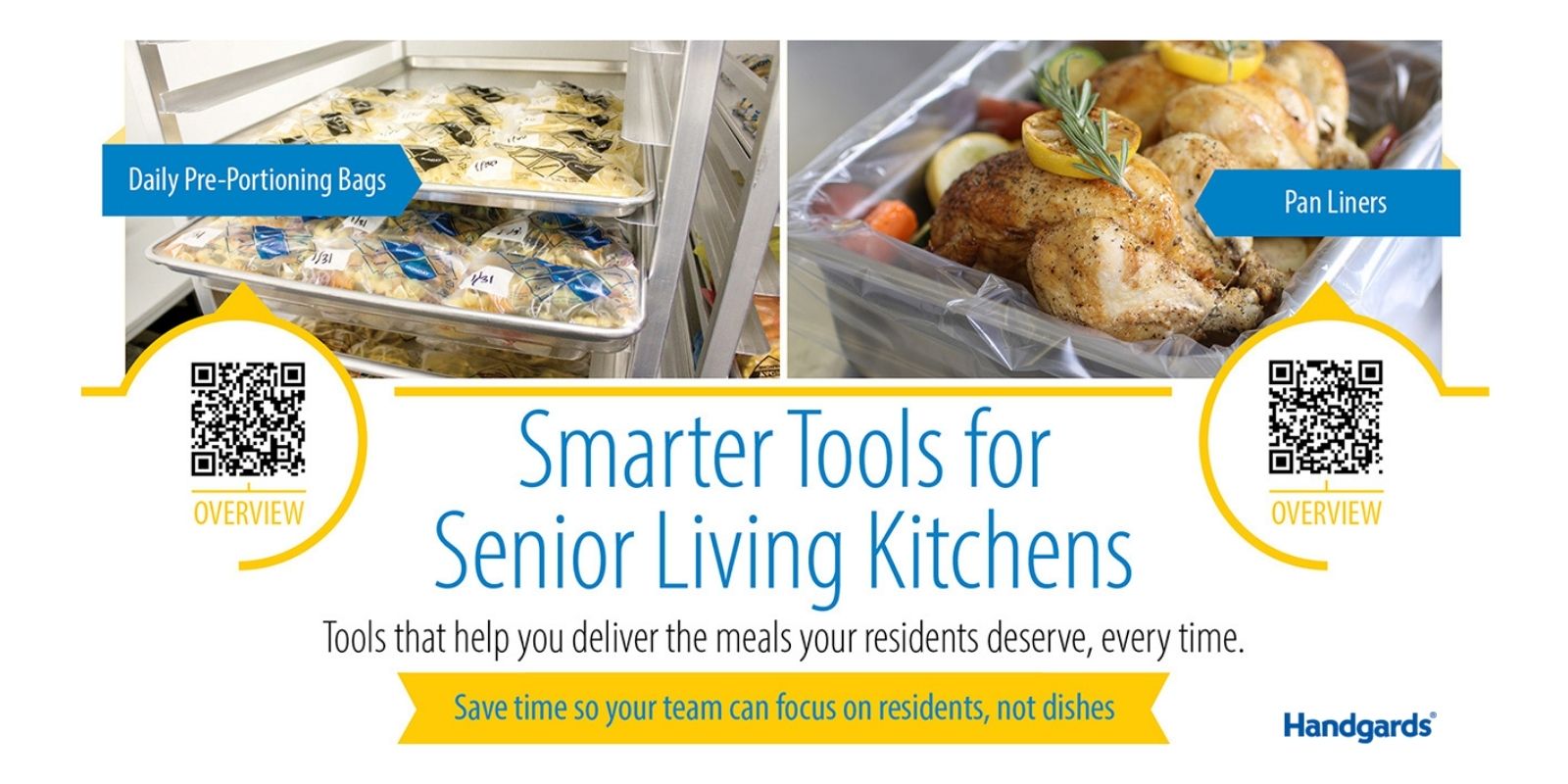
Residents want fresh, varied meals that match their health needs and cultural backgrounds. Rising costs and staffing shortages make this difficult, but operators do not need large equipment upgrades to improve efficiency. Simple workflow tools can provide meaningful gains. Two examples are pre-portion bags and pan liners, which help teams stay organized, reduce waste and maintain consistency under pressure.
The Rising Complexity of Senior Living Menus
Today’s menus may include diabetic friendly entrées, low-sodium options, allergen considerations, texture-modified choices, plant-forward dishes and culturally relevant meals. These expectations affect every part of production from prep through service. Inventory planning becomes more difficult, especially for perishable ingredients with unpredictable demand.
Kitchens need simple systems that improve organization, accuracy and speed. Pre-portion bags and pan liners offer practical support across daily workflow.
Pre-Portion Bags: Consistency, Control and Less Waste
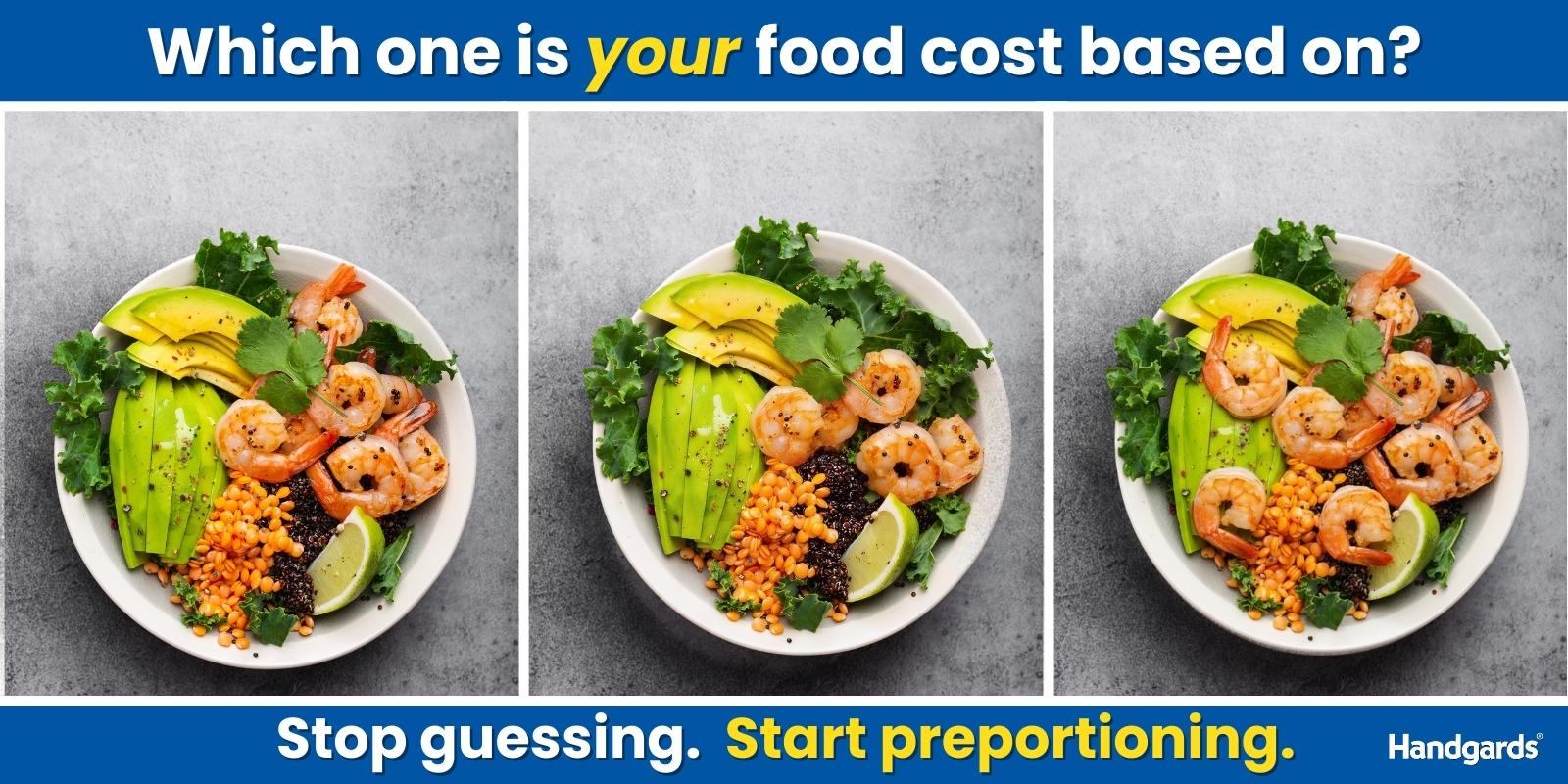
Pre-portioning ingredients helps kitchens maintain predictable portions and faster service.
Improved Accuracy
- Clear labeling helps reduce mistakes between diabetic and regular servings, low-sodium and standard entrées, allergen-safe items, vegetarian components and texture-modified variations. This supports safe, efficient trayline service.
More Variety Without Extra Work
- With pre-portioned ingredients ready to go, staff can assemble bowls, sides or plant-based options quickly. This expands menu variety without adding new labor.
Better Waste Management
- Consistent portions reduce over-serving. Tinted or printed bags support FIFO rotation, and ingredients can be portioned and frozen as ready-to-use kits to minimize spoilage.
Pan Liners: Cleaner, Faster and Easier to Manage
Pan liners improve efficiency on the hot side of production, especially when preparing multiple diets.
Support Multiple Diet Types
- Separate liners allow kitchens to prepare gluten-free, allergen-sensitive, heart-friendly or texture-modified items in the same pan without cross-contact.
Faster Cleanup and Less Strain
- Since food does not stick to the pan, most items require only quick sanitizing instead of heavy scrubbing. This saves time, reduces fatigue and helps new staff get up to speed quickly.
Protect Equipment and Reduces Loss
- Less scrubbing extends pan life. Food releases cleanly from the liner, which reduces waste during transfer.
How These Tools Work Together
Used together, pre-portion bags and pan liners improve workflow from prep to cook to serve. Kitchens benefit from:
- Improved accuracy for multiple diets
- Smoother service during busy periods
- Reduced waste and better portion control
- Easier training and lower physical strain for staff
- More predictable costs
They help teams keep pace with rising expectations even when staffing is limited.
A Practical Path Forward
Senior living operators must balance growing menu complexity with ongoing labor challenges. Simple tools such as pre-portion bags and pan liners support safer, more consistent and more efficient kitchens. By strengthening daily workflow, these tools help operators deliver meals that meet residents’ dietary needs while managing both cost and labor pressures.
Handgards supports senior living operators with tools designed to make mealtimes smoother and more consistent for residents. TuffGards pre-portioning bags help ensure accurate portions and clear dietary identification, while PanGards pan liners reduce cleanup and keep cooking equipment in better condition. Used together, they allow teams to spend less time on repetitive tasks and more time focusing on the people they serve.