How smarter material choices can reduce overuse of premium products and improve overall spend
Supply chain conversations often focus on big-picture disruption – raw materials, freight, global markets.
But for operators, cost control is far more practical, coming down to how everyday products are used.
In high-volume categories like disposable gloves, small decisions made at the task level can have a large impact on total spend.
The Hidden Cost of “One Glove for Everything”
Many kitchens still rely on a single glove type across all tasks. It simplifies ordering, but often increases overall cost.
Using one glove everywhere typically leads to:
- Overusing higher-cost materials
- Higher consumption due to poor task fit
- Less control over category spend
What looks efficient at the purchasing level often creates inefficiency in practice.
A More Effective Approach
Operators are increasingly shifting to a simple model: match the glove to the task.
- Use quick-change, cost-efficient gloves where speed matters
- Reserve higher-performance materials for specific applications
- Avoid defaulting to a single material across the entire operation
This isn’t about adding complexity, it’s about reducing waste.
Where Material Strategy Matters
Not every task requires the same level of performance and not every glove carries the same cost.
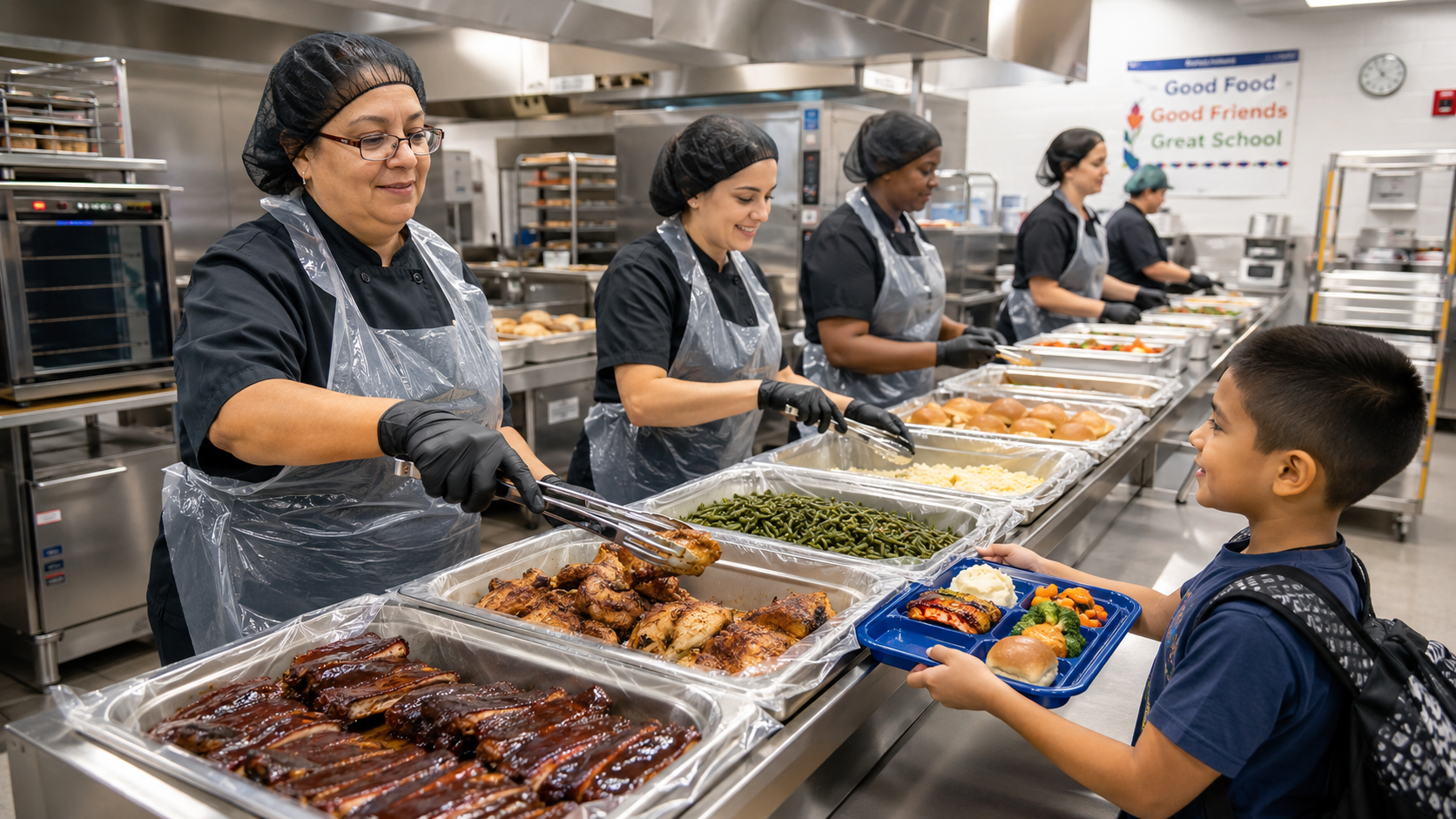
In many operations, a significant portion of glove usage falls into every day, high-frequency tasks like hot and cold food prep, service lines, and plating. These applications often benefit from materials that balance durability, comfort, and cost rather than defaulting to premium options.
Blended materials that combine the flexibility of nitrile with the cost efficiency of vinyl are increasingly being used to fill this gap, helping operators maintain performance while improving cost control across high-volume use. Cue: Vitrile gloves, the perfect balance of vinyl and nitrile that performs and saves.
Control Starts with Better Alignment
Supply conditions will continue to shift. But the most effective response isn’t always large-scale, it’s operational. Aligning products to how work in the BOH and FOH gets done creates more consistency, better usage, and stronger cost control, without changing how the kitchen runs.
Because in the end, efficiency isn’t about using less: it’s about using smarter.