From Gloves to Traceability: Preparing Your Restaurant for Health Inspections
Health inspections are a critical part of maintaining food safety in restaurants, but with the right practices, operators can stay inspection ready. Handgards supports operators with quality disposables and traceable products to help ensure compliance and safety every day.
Glove Safety & Hygiene
“Good hand hygiene practices, including handwashing and minimizing bare-hand contact with ready-to-eat food, reduce contamination risk and are thus critical to preventing foodborne illness and outbreaks.” - Hoover et.al, 2023, [1]
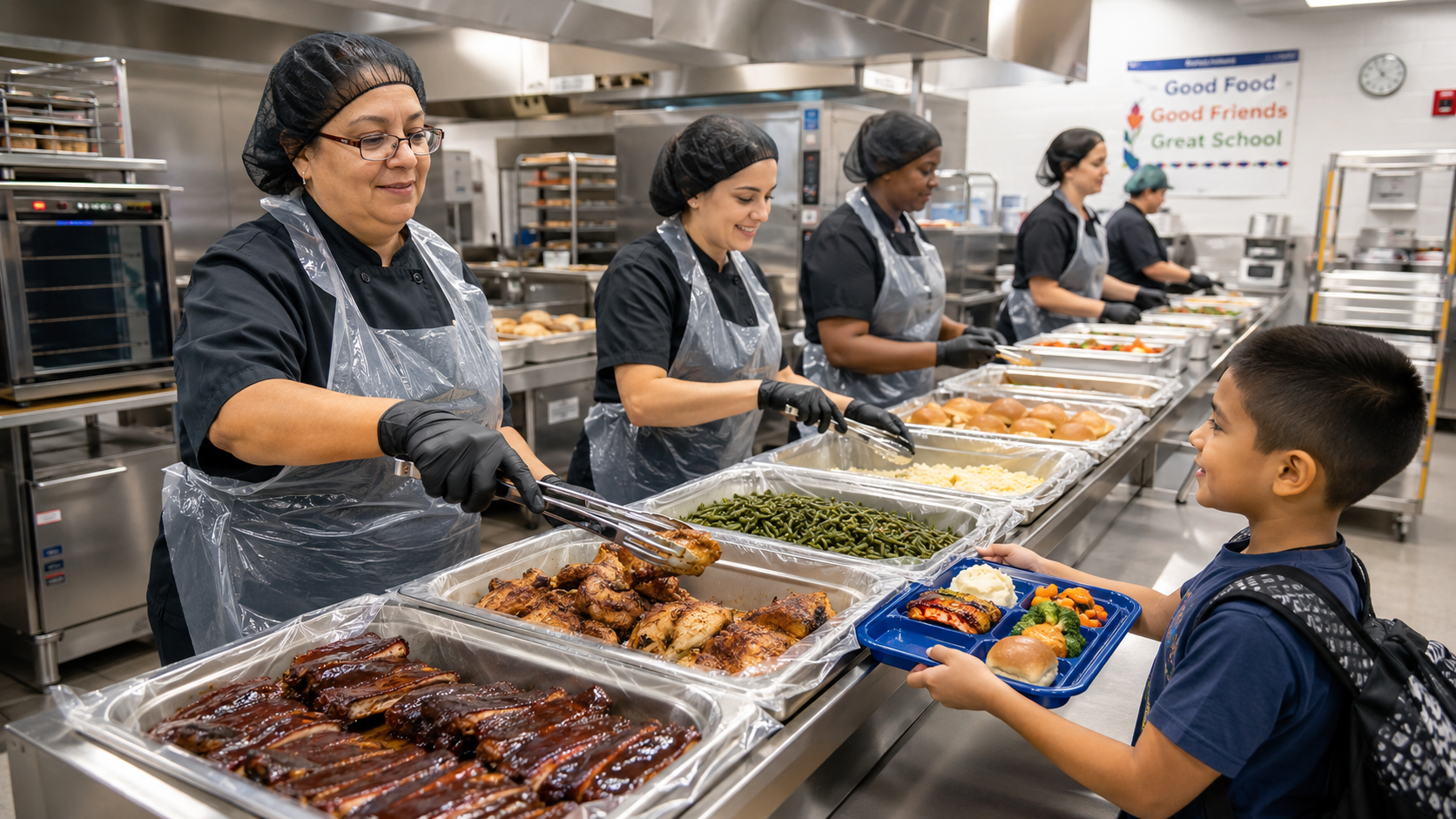
Providing disposables isn’t enough; employees must know how to put on, remove, and dispose of gloves correctly. Gloves should always be worn when handling ready-to-eat foods, changed when switching tasks or when soiled, and replaced at least every four hours. Hands should always be washed before putting on a fresh pair.
Handgards’ disposable gloves make this easier: they’re durable, easy to use, and fully traceable, helping operators keep kitchens safe and compliant every day.
To stay inspection-ready, schedule random training and compliance checks. Simulating an inspection lets staff practice proper glove use under real conditions and reinforces food safety habits, making actual inspections smoother and less stressful.
Traceability & Product Rotation
Traceable products and proper labeling help operators show inspectors that every item meets safety standards.
Maintaining accurate labeling and following FIFO (first-in, first-out) helps older inventory to be used first and reduces the risk of serving expired items. Random internal audits of traceability practices can help identify gaps and reinforce proper labeling and rotation.
In addition, using color-coded products, such as Tuffgards pre-portioning bags or reclosable bags labeled clearly, makes compliance easier while improving kitchen efficiency. By establishing these procedures in advance, operators can build compliance into daily operations, so inspection readiness is automatic rather than a last-minute concern.
Sanitation & Training
Consistent cleaning, organized storage, and staff training make inspection readiness part of daily operations, not a last-minute task.
Clean, organized workspaces are essential. Daily sanitation of prep surfaces, storage areas, and equipment helps prevent contamination and demonstrates a commitment to safety. Well-trained staff understand proper glove use, hand hygiene, cross-contamination prevention, and safe handling of cleaning agents, making compliance consistent rather than reactive.
Handgards’ gloves support these routines: reusable nitrile gloves are ideal for deeper cleaning tasks, while vinyl or synthetic gloves work well for quick sanitation and bussing tables, ensuring staff have the right glove for the right task.
Incorporating random compliance checks and mock inspections helps staff practice these routines under realistic conditions, reinforcing daily habits and reducing stress when a real inspection occurs.
Conclusion
By combining proper glove use, traceable products, and consistent sanitation routines, operators can maintain kitchens that are safe, efficient, and inspection-ready every day. Handgards provides the products and systems to support these best practices, helping operators stay compliant with confidence and focus on delivering quality service.
[1] Hoover, Restaurant and Staff Characteristics Related to Practices that Could Contribute to Cross-Contamination – ScienceDirect, 2023.